
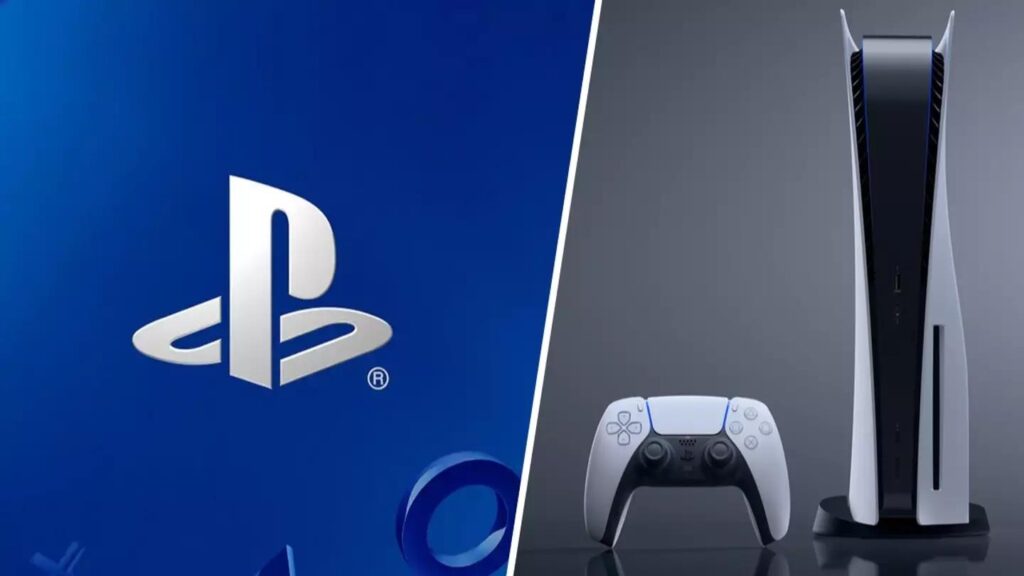
PlayStation 6 Lite Rumors: Will Sony Cancel the Budget Console?
The idea of a cheaper next-generation PlayStation has quickly become one of the most talked-about topics in gaming. As rumors around the future of Sony’s hardware strategy continue to spread, many gamers are asking the same question: will there really be a PlayStation 6 Lite? At first glance, the concept sounds almost guaranteed to succeed. A lower-priced console could open the door for more players, help Sony reach a wider audience, and offer a practical alternative for people who do not want to spend premium money on cutting-edge hardware. In an era where gaming is becoming more expensive, a budget console sounds like the kind of move that could win over millions of players.
But the deeper this rumor goes, the more complicated it becomes. What looks attractive from a consumer point of view can become a major technical headache behind the scenes. Developers may need to optimize games for multiple hardware targets, which can slow production, raise costs, and limit how far next-generation games can truly evolve. That is why the rumored PS6 Lite has become such a fascinating subject. It is not just about price. It is about strategy, hardware balance, developer support, and the long-term identity of the PlayStation brand. If Sony is really considering a lighter, cheaper version of the PlayStation 6, it may have to decide whether affordability is worth the creative and technical compromises that come with it.
Why Gamers Expected a PlayStation 6 Lite
Gamers have grown used to the idea that not every console generation needs to revolve around a single device. The market has changed. Players now expect multiple price points, digital-only editions, and even portable options within the same ecosystem. That shift is exactly why so many people assumed Sony would eventually introduce a PS6 Lite. Once the idea of tiered hardware became normal in other parts of the gaming industry, the rumor almost started feeling less like speculation and more like common sense. A premium console for enthusiasts and a lighter version for the mass market sounds like the kind of strategy that fits the current era perfectly.
There is also a financial reason behind this expectation. Hardware is getting more expensive to produce, and gamers are becoming more selective about what they buy. Many players do not need the absolute best graphics or the most advanced technical features. They just want a system that plays new releases smoothly, gives them access to the PlayStation ecosystem, and offers solid value for money. In that sense, a Lite console feels like the gaming equivalent of a smaller car with better fuel efficiency. It may not have every premium feature, but it gets the job done and appeals to a wider audience. That is exactly why the rumor gained traction so quickly and why discussions around the PlayStation 6 Lite continue to grow.
Sony’s Possible Multi-Device Strategy
Modern gaming is no longer centered around one living room device. Companies are building ecosystems instead of isolated products, and Sony appears to be moving in the same direction. The possibility of a future lineup that includes a flagship PlayStation 6, a budget-friendly alternative, and a dedicated handheld has made the rumor mill even more active. From a strategic point of view, this would make a lot of sense. Different players have different needs, and a multi-device approach allows Sony to meet those needs without relying on a single hardware identity. One device could focus on raw performance, another on affordability, and another on portability.
The problem is that ecosystem thinking sounds much cleaner on paper than it feels in development. When you add more hardware profiles to the same generation, every game becomes more complicated to design and optimize. Developers must think about how one experience can scale up and down without feeling broken or incomplete. That challenge becomes even more serious when one of the devices is significantly less powerful than the rest. Instead of one target, studios suddenly need to hit several moving targets at once. Sony may absolutely be interested in creating a broader PlayStation family for the next generation, but whether a Lite console fits smoothly into that family is still very much in question.
What the PlayStation 6 Lite Is Supposed to Be
The rumored PlayStation 6 Lite is generally described as a lower-cost version of Sony’s next-generation console, designed to bring new players into the ecosystem without requiring the full premium investment of a flagship system. In theory, this device would sit between previous-generation hardware and the main PS6 model. It would likely offer access to the same game library, the same services, and the same ecosystem benefits, but with reduced technical power and potentially lower visual quality. That kind of hardware positioning is appealing because it gives players an easier path into the next generation without completely leaving them behind.
Still, that positioning creates a very delicate balance. If the Lite model is too weak, it risks feeling like a half-step rather than a true next-generation product. If it is too strong, it becomes harder to separate from the main console in terms of pricing and market identity. This is the problem Sony would need to solve if the device were real. A Lite console cannot simply be cheap. It has to feel meaningful. Players need to believe they are entering the future of gaming, not buying an underpowered compromise wrapped in next-gen branding. That is why so much of the conversation around this rumor focuses not just on whether it exists, but on whether such a product can be positioned successfully at all.
Expected Hardware and Performance Challenges
If a PS6 Lite does exist in some stage of planning, hardware limitations are likely at the center of the debate. A budget console must reduce costs somewhere, and those cuts usually affect processing power, graphics capability, memory bandwidth, or storage performance. Each of these areas matters deeply in next-generation game design. Faster hardware allows bigger worlds, more advanced lighting, more responsive gameplay, and richer simulation systems. Once you begin scaling those parts down, the console may still run future games, but developers may need to trim detail, reduce effects, or change how certain systems work altogether.
This is where the rumor starts to feel risky. A next-generation console should represent forward movement. It should feel like opening a new chapter, not rereading part of the old one. If the Lite version lands too close to current-generation performance, some players may question why they should upgrade at all. And from Sony’s side, that could become a branding issue. The PlayStation 6 should symbolize technical progress, but a cheaper model with visible compromises could blur that message. Instead of presenting the future with confidence, Sony could accidentally create confusion about what the next generation is really supposed to be.
Why Developers May See It as a Nightmare
The phrase that appears again and again in discussions about the PS6 Lite is simple: developers may hate it. That sounds dramatic, but it reflects a very real concern. Game studios already work under enormous pressure. Budgets are growing, timelines are tight, and player expectations are higher than ever. Adding a lower-powered console into the mix could create more testing requirements, more optimization work, and more technical compromises. A studio might build a stunning feature for the flagship console only to discover that it must be reduced or redesigned entirely so that it can function on the Lite version as well.
Think of it like trying to stage the same theatrical performance in both a giant modern arena and a small school gym. The script may be the same, but the lighting, sound, movement, and visual impact all need to change. Developers do not just create games. They shape performance around hardware. If one piece of that hardware family is significantly weaker, it can hold back the ambition of the entire project. That does not mean a PS6 Lite would be impossible to support, but it does mean the hidden cost of affordability might be creative limitation. For many developers, that trade-off may not be worth it.
Game Optimization and Fragmentation Problems
One of the biggest risks in a multi-console generation is fragmentation. When every player uses nearly identical hardware, developers can optimize their games more directly and predictably. But when multiple performance tiers exist within the same generation, the process becomes more complex. Studios need to think about frame rate modes, visual settings, memory limits, loading performance, and asset scaling in a much more aggressive way. The more hardware variation there is, the greater the chance that development resources will be spent on compatibility rather than innovation.
This matters because optimization is not a small side task. It is one of the most expensive and time-consuming parts of modern game production. Supporting a hypothetical PS6 Lite could force developers to split resources across several technical targets at once. Large studios may be able to absorb that cost, but smaller teams may struggle badly. Over time, this can lead to uneven releases, delayed launch windows, or games that feel compromised on one system or another. Players may only see the final frame rate or texture quality, but behind that simple outcome is a mountain of work. A Lite console might seem attractive to consumers, yet it could quietly multiply complexity across the entire development pipeline.
Could the PS6 Lite Hold Back Next-Gen Games?
This is perhaps the most serious question of all. If Sony releases a significantly weaker console within the same generation, it could influence how ambitious developers are willing to be. Studios usually build around the lowest common denominator when they want broad compatibility. That means if one device cannot handle a certain level of simulation, visual density, or system complexity, game design may be adjusted before those features ever fully take shape. In other words, a weaker console does not just affect one version of a game. It can reshape the entire vision from the start.
That possibility is why so many people view the PS6 Lite rumor with both excitement and concern. On one side, a cheaper console means more players can join the PlayStation ecosystem. On the other, it could act like an anchor tied to the ankle of next-generation innovation. That may sound harsh, but in hardware design, balance is everything. A generation only feels revolutionary when the platform holder gives developers room to push. If the entry model becomes too restrictive, Sony may find itself with a broader audience but a less impressive creative leap. That trade-off is difficult, and it may explain why rumors now suggest the Lite model could be abandoned before release.
Possible Pricing and Market Position
The biggest argument in favor of a PlayStation 6 Lite is price. A cheaper console would instantly attract players who want access to new PlayStation games without paying flagship-level costs. In many regions, gaming hardware is a serious financial decision, and even loyal PlayStation fans may hesitate if the next generation launches at a premium price point. A Lite model would give Sony a way to stay accessible, especially among casual players, younger audiences, and households that prioritize value over maximum performance. In market terms, it could serve as the wide door that brings more people into the PlayStation world.
But affordable does not always mean strategically easy. Sony would need to define the Lite version very carefully. If it is priced too close to the main PS6, players may simply wait or stretch their budget. If it is priced too low, consumers may assume it is underpowered or not truly next-gen. Positioning matters just as much as price. The console would need a clear identity: not merely the cheap option, but the smart option for a certain kind of player. That is difficult to achieve in a market where technical specifications are heavily scrutinized and social media quickly turns performance comparisons into public narratives.
How a Lite Model Would Compare to Other Consoles
If Sony were to introduce a budget-focused PlayStation 6, comparisons with other hardware would begin immediately. Players would want to know where it sits in terms of power, frame rates, visual fidelity, storage, and long-term value. The Lite model would not just be measured against the flagship PS6. It would also be judged against the PS5, current budget competitors, and any handheld or hybrid alternatives that share the market. That creates an interesting challenge. Sony would have to convince players that the Lite console is not just cheaper, but also relevant and future-facing.
The danger here is perception. Even a technically solid device can struggle if the public sees it as the weaker sibling that holds everything back. In gaming culture, performance comparisons spread quickly and stick in the public mind. If reviewers and players begin framing the PS6 Lite as the machine that forces compromises, Sony could face a branding problem that goes beyond sales numbers. Consoles are not just pieces of hardware. They are symbols of confidence, direction, and momentum. A poorly understood Lite model could weaken the excitement around the broader PlayStation 6 generation rather than strengthen it.
Why Sony May Choose a Handheld Instead
One reason the PS6 Lite rumor feels uncertain is that Sony may see greater value in a handheld strategy instead of a weaker home console. Portable gaming has grown dramatically in importance, and players increasingly want the ability to continue experiences across different devices and situations. A handheld machine offers something clearly distinct. It is not just a smaller or cheaper version of the main console. It serves a different role entirely. That separation may actually be healthier for Sony’s ecosystem because it avoids direct comparison in the same way a Lite home console would invite.
A handheld also changes the conversation from compromise to convenience. Instead of asking players to accept lower performance in exchange for lower price, Sony could ask them to embrace portability as a separate value. That is a much easier story to tell. Developers may also find it simpler to design for a handheld with a clear use case than for a weaker home console expected to share the same living room experience as the flagship model. If Sony wants to expand its ecosystem without dragging down the technical image of the PS6, a dedicated handheld may be the cleaner and more strategic option.
AI Upscaling and the Future of Performance Scaling
Another reason the PlayStation 6 Lite may never happen is that hardware strategy is changing. Instead of relying purely on raw power, future systems are increasingly expected to use intelligent upscaling, machine learning, and smarter rendering methods to deliver better results from less expensive hardware. In simple terms, software may begin to carry more of the burden that used to fall on brute-force components. If Sony continues investing in advanced visual reconstruction and AI-assisted performance scaling, it may no longer need a separate Lite home console to serve budget-conscious players.
This matters because the line between “weaker hardware” and “smartly optimized hardware” is becoming more blurred. If Sony can use advanced techniques to make a mid-tier system feel visually impressive without major sacrifices, then the traditional Lite concept changes completely. The company may choose to keep one main console identity while using software innovation to deliver flexibility across other devices. That would allow Sony to preserve the premium image of the PS6 while still creating more entry points into the ecosystem. In that scenario, the PS6 Lite becomes less necessary, not because the market no longer wants it, but because technology gives Sony better ways to solve the same problem.
Expected Release Window for the Next Generation
The next PlayStation generation is widely expected to arrive within the later part of this decade, and that timing has only fueled speculation around every possible model that could appear beside it. Whenever a major console generation approaches, rumors multiply because players want to understand not just what is coming, but how the platform holder plans to define the future. The PS6 Lite discussion exists inside that larger wave of anticipation. People are not only curious about one rumored device. They are trying to read Sony’s next move, almost like interpreting footprints before the person fully appears.
Release windows also affect whether a Lite model makes sense at all. If the flagship console arrives during a period of economic pressure, Sony may feel more pressure to offer a lower-cost entry point. But if technology becomes more cost-efficient by the time launch plans solidify, the company may not need a separate Lite version. Timing shapes strategy. What feels essential in one year may feel unnecessary in another. That is why rumors can shift so quickly. The PlayStation 6 Lite may be real as an internal concept, but internal concepts do not always survive until launch day.
Will the PlayStation 6 Lite Actually Be Released?
At this point, the most honest answer is that the PlayStation 6 Lite remains uncertain. The idea makes sense from a market-expansion perspective, but the technical and creative downsides are hard to ignore. Sony would have to balance cost, performance, perception, developer support, and future-proofing all at once. That is not impossible, but it is incredibly difficult. The more you examine the rumor, the more it starts to feel like one of those ideas that looks brilliant in a presentation slide but messy in real production.
That uncertainty may be the biggest clue of all. If Sony were fully confident that a Lite console would strengthen the next generation, the rumor would likely feel clearer and more stable. Instead, the discussion keeps circling around hesitation, technical compromise, and developer frustration. That does not guarantee cancellation, of course. Companies explore many hardware directions before settling on the final plan. But if you are asking whether the PlayStation 6 Lite is a sure thing, the answer right now is no. The more likely reality is that Sony is still deciding whether a budget home console helps the PlayStation future or quietly complicates it.
Conclusion
The rumor of a PlayStation 6 Lite is powerful because it speaks directly to what many players want: a more affordable path into the next generation. On the surface, it sounds like a smart and consumer-friendly move. A cheaper PlayStation could widen the audience, strengthen ecosystem adoption, and help Sony remain competitive in a market where hardware costs continue to rise. But gaming hardware is never just about what players want at checkout. It is also about what developers can realistically support and what kind of creative future the platform holder wants to build.
That is why the PS6 Lite remains such a complicated idea. It could be a gateway, but it could also become a bottleneck. It could make PlayStation more accessible, but it could also fragment development and weaken the impact of the next generation. Sony may ultimately decide that the smarter path lies in handheld innovation, AI-powered scaling, or a more unified hardware strategy rather than a lower-powered home console. Until the company reveals its actual plans, the PlayStation 6 Lite will remain one of the most intriguing “maybe” stories in gaming. And sometimes, the most interesting rumor is not the one that becomes real, but the one that reveals the hard choices behind the future.
FAQs
1. What is the PlayStation 6 Lite?
The PlayStation 6 Lite is a rumored lower-cost version of Sony’s next-generation console. It is expected to offer access to the same ecosystem as the main PS6 but with reduced hardware power and a lower price point.
2. Why do people think Sony might cancel the PS6 Lite?
The biggest reason is development complexity. A weaker console could create optimization problems, increase costs for studios, and potentially hold back the technical ambition of next-generation games.
3. Would the PS6 Lite be weaker than the main PlayStation 6?
Yes, that is the core idea behind the rumor. The Lite model would likely be less powerful so Sony could sell it at a more affordable price, but that trade-off could make performance and positioning more difficult.
4. Could Sony release a handheld instead of a PS6 Lite?
That is a strong possibility. A handheld would give Sony another way to expand the PlayStation ecosystem without directly introducing a weaker living room console that might complicate game development.
5. Is the PlayStation 6 Lite officially confirmed?
No, there is no official confirmation. At the moment, the PS6 Lite remains part of rumor and leak discussions rather than a confirmed Sony product.